Main Welding Methods and What Each One Is Best For
Common welding services methods include MIG welding, TIG welding, stick welding, and flux-cored welding. Each method uses a different tool and filler metal to join steel, aluminum, or other metals. Some methods work best for thick steel. Others are better for thin metal or detailed work. The right choice depends on the material, the location of the job, and how strong the weld needs to be.
What You Need Before Starting a Welding Project
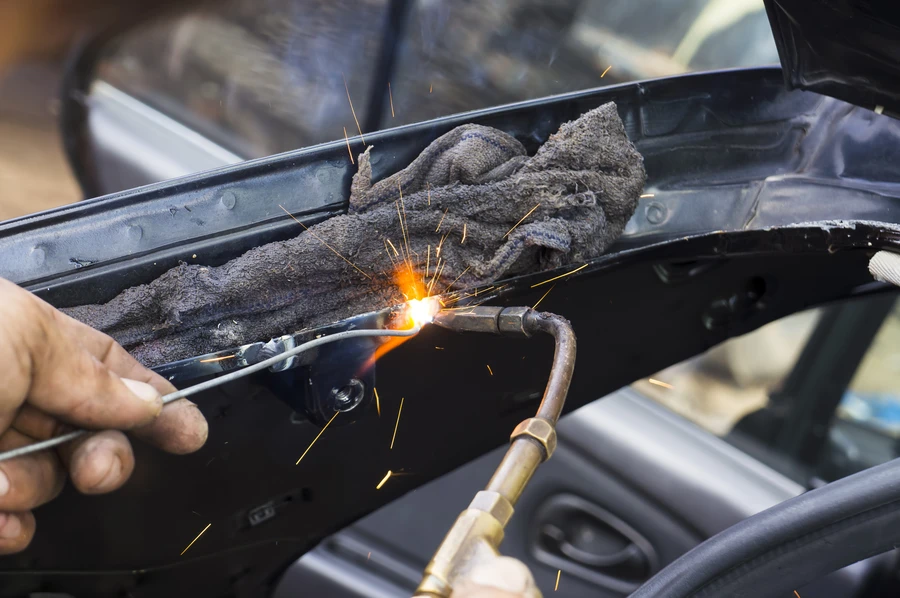
Before starting any welding job, you need the right tools and safety gear. Welding creates high heat and bright light. It can also cause sparks and fumes. That is why safety always comes first.
- Welding machine that matches the method you plan to use
- Welding helmet with a dark lens
- Gloves and fire-resistant clothing
- Wire brush or grinder to clean the metal
- Clamps to hold metal pieces in place
Clean metal is very important. Dirt, rust, and paint can weaken a weld. In professional welding services, we always prep the surface before striking an arc.
Step-by-Step Basic Welding Process
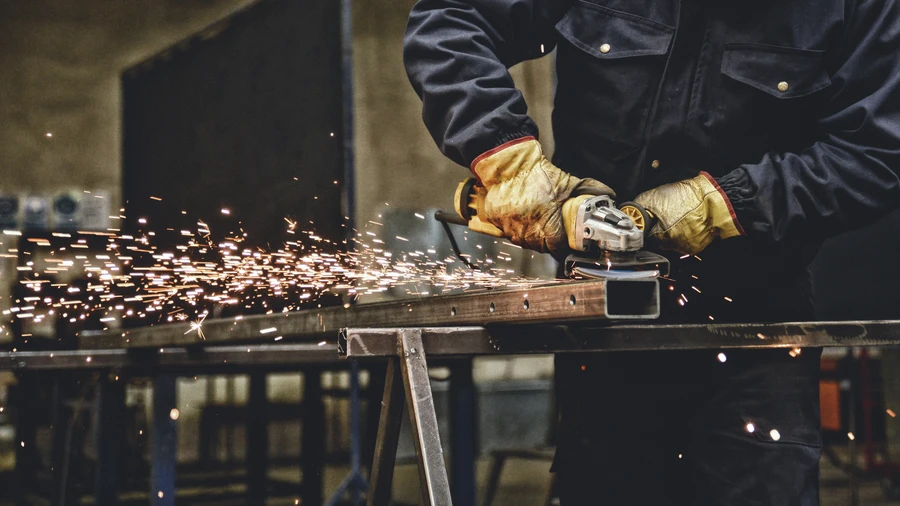
While each method is different, most welding jobs follow the same basic steps.
- Clean the metal surface to remove rust, oil, and debris.
- Secure the metal pieces with clamps or magnets.
- Set the welding machine to the correct voltage and wire speed.
- Create the arc and move it steadily along the joint.
- Allow the weld to cool, then inspect it for gaps or cracks.
- Grind or smooth the weld if needed.
These steps apply to most welding services, whether you are fixing a trailer hitch or building a steel frame.
Common Welding Methods and When to Use Them
Here are the most common methods used in residential and commercial projects.
- MIG welding: Good for beginners and fast production work. It works well on mild steel and is often used for gates, fences, and auto repairs.
- TIG welding: Best for thin metals and clean, precise welds. It is often used on aluminum, stainless steel, and decorative metal.
- Stick welding: Strong and reliable outdoors. It works well on thick steel and heavy equipment repairs.
- Flux-cored welding: Similar to MIG but better for outdoor jobs. It handles wind better and is great for structural steel.
Choosing the right method matters. A thin aluminum railing needs a different approach than a cracked steel bucket on a skid steer.
Common Mistakes to Avoid
Many welding problems come from simple errors. Avoiding these mistakes helps create strong, clean welds.
- Welding over dirty or rusty metal
- Using the wrong settings on the machine
- Moving too fast or too slow along the joint
- Skipping proper safety gear
- Using the wrong filler metal for the job
A weak weld can break under stress. That can cause damage or injury. That is why professional welding services focus on correct setup and inspection.
When to Call a Professional
Some small jobs can be handled by experienced DIYers. For example, repairing a small garden tool or practicing on scrap metal. But many projects require skill and training.
You should call a professional if:
- The weld supports heavy weight
- The project involves structural steel
- You are working with aluminum or stainless steel
- The job must pass inspection
- You do not have the proper equipment
Professional welding services bring the right tools and experience. This helps make sure the weld is strong, straight, and built to last. It also saves time and reduces risk.
Get Reliable Welding Help for Your Next Project
If you need dependable welding services in Litchfield Park, AZ, we are ready to help with repairs, fabrication, and structural projects of all sizes. At RPSF, our team handles everything from small fixes to large steel builds with care and skill. Call us at (623) 226-4681 to discuss your project and schedule service with our crew.