How to Build Metal Components That Stand up to Rust and Harsh Environments
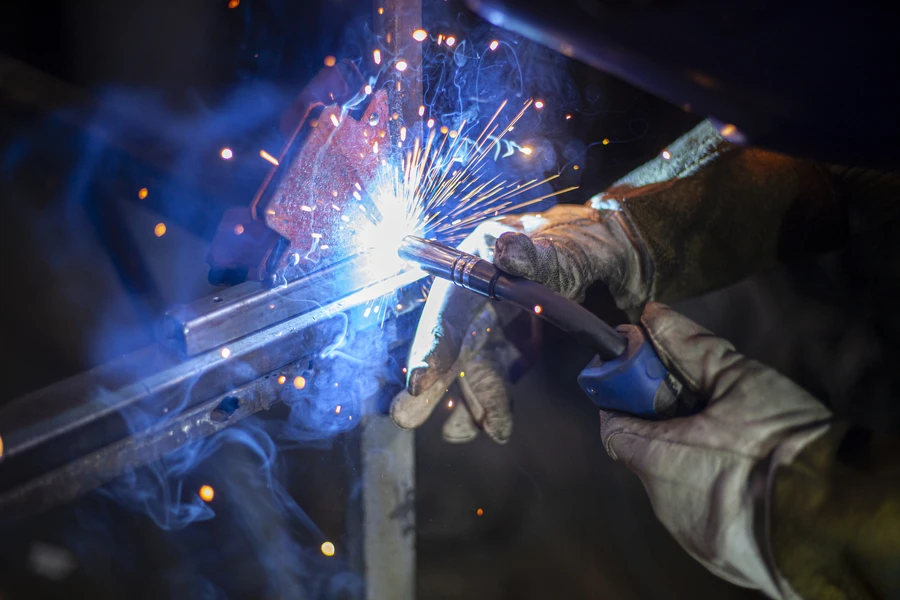
Stainless steel fabrication for corrosion resistance needs means choosing the right grade of steel, using the correct welding methods, and finishing the surface properly so the metal resists rust and damage. When done right, stainless steel parts can handle water, chemicals, salt air, and heavy use for many years. The goal is simple: build strong metal components that do not break down in harsh conditions.
What You Need Before Starting
Before starting any stainless steel fabrication project, you need a clear plan. Not all stainless steel is the same. Some grades resist salt water better. Others are better for food processing or chemical plants.
Here is what you should gather first:
- The correct stainless steel grade such as 304 or 316
- Drawings or measurements for the part
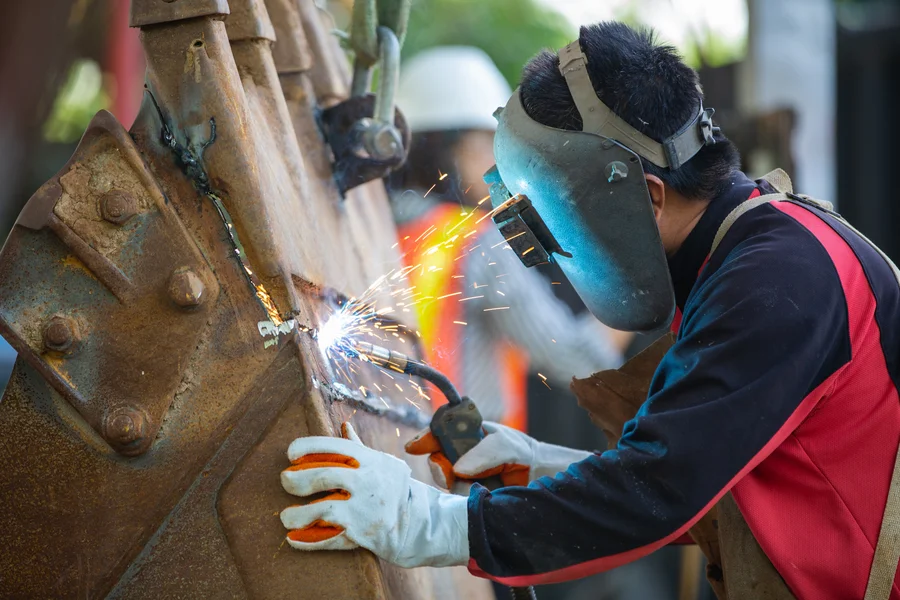
- Proper welding equipment for stainless materials
- Clean tools that have not touched carbon steel
- A finishing plan like polishing or passivation
If tools used on regular steel touch stainless steel, tiny iron particles can transfer. That can lead to rust spots later. Clean tools matter more than many people think.
Step-by-Step Process for Corrosion-Resistant Results
Strong corrosion resistance comes from following the right steps in order. Skipping any step can reduce the life of the finished part.
- Select the right grade. Use 316 stainless steel for marine or chemical exposure. Use 304 for indoor or light moisture areas.
- Cut with clean equipment. Avoid cross-contamination from carbon steel tools.
- Weld using proper filler metal. Match the filler rod to the base metal grade.
- Control heat input. Too much heat can weaken corrosion resistance near welds.
- Grind and smooth welds. Rough welds trap moisture and debris.
- Clean and passivate. This final treatment removes surface contaminants and restores the protective layer.
Passivation is a chemical process that strengthens the thin chromium oxide layer on stainless steel. That invisible layer is what protects the metal from rust.
Common Mistakes to Avoid
Many corrosion problems start with small mistakes during fabrication.
- Using the wrong grade for the environment
- Skipping post-weld cleaning
- Letting carbon steel dust contaminate the surface
- Leaving deep scratches on finished surfaces
- Ignoring drainage in outdoor designs
For example, a stainless handrail near the ocean may rust if 304 grade is used instead of 316. The metal itself is not bad. It is just not the best fit for salt exposure.
Drainage is another issue. If water sits in corners or seams, even high-quality stainless can stain over time.
When to Call A Professional
Small brackets or simple indoor parts may be manageable with basic skills. But complex stainless steel fabrication projects often require expert knowledge. This is especially true for:
- Food processing equipment
- Medical or laboratory components
- Chemical storage tanks
- Marine railings and platforms
- Architectural features exposed to weather
These projects fall under the broader metal fabrication field, but stainless work requires special handling. Welding must be clean and precise. Surface finishing must meet strict standards. In food and medical settings, even minor flaws can create safety risks.
A professional fabricator can also help with design. Small design changes, like better airflow or smoother joints, can improve corrosion resistance without raising costs much.
Final Recommendation and Next Step
If your project involves moisture, chemicals, salt, or outdoor exposure, stainless steel fabrication is a smart investment. Choosing the right grade, following proper welding methods, and finishing the surface correctly will extend the life of your metal components. At RPSF, we handle stainless work for clients across many industries. We serve projects throughout Litchfield Park, AZ. Call us at (623) 226-4681 to discuss your corrosion-resistant fabrication needs and let us help you build parts that last.