
Strong, Correctly Aligned Hinges Keep Your Gate Swinging Safely and Smoothly
Proper hinges are what allow a gate to open, close, and latch the right way. When hinges are strong and lined up correctly, the gate swings smoothly and stays level. When they are wrong, worn out, or badly installed, the gate can sag, drag, or even fall off. During any gate installation, hinge choice and placement make a big difference in how long the gate will last and how safe it will be.
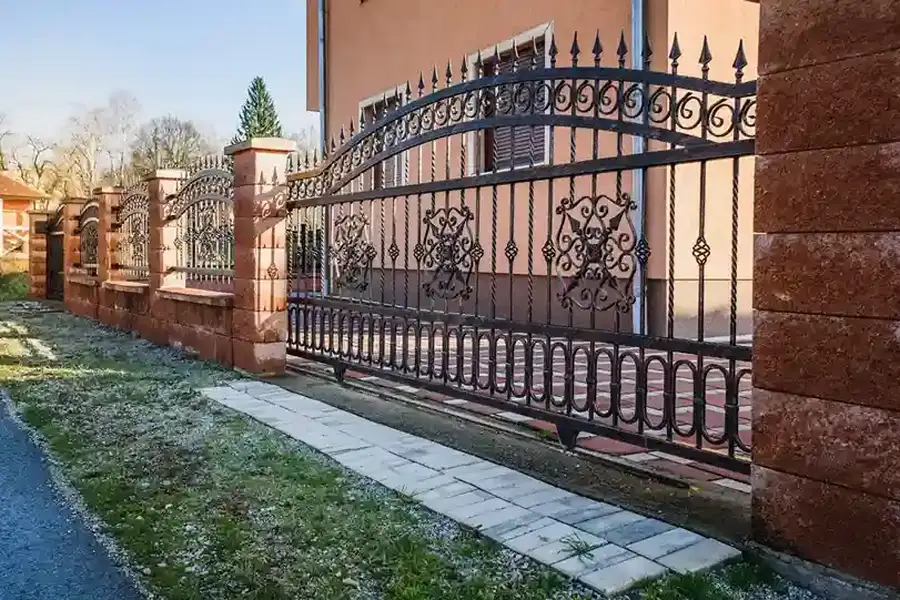
Why Prevention Matters
Hinges carry the full weight of your gate every single day. Over time, that weight puts stress on the screws, posts, and hinge joints. If the hinges are too small or poorly mounted, the gate starts to lean. That small lean can turn into bigger problems like broken latches, cracked posts, or bent frames. Preventing these issues is easier and cheaper than fixing major damage later.
In many cases, people focus on how the gate looks. They choose style over strength. But even the best-looking gate will fail if the hinges are weak. A good gate installation always matches the hinge type to the gate’s size, weight, and use.
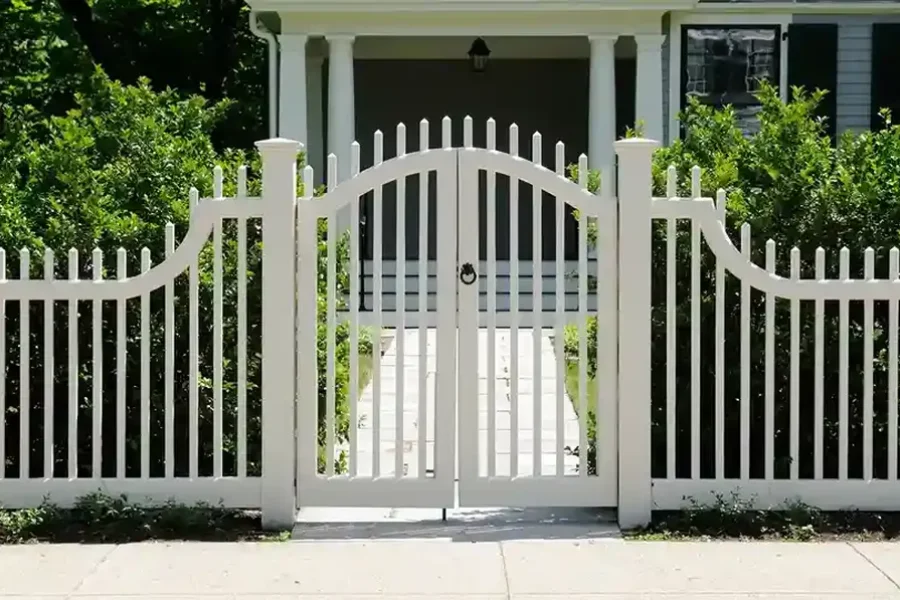
Early Warning Signs of Hinge Problems
You can often spot hinge trouble before the gate fully fails. Catching these signs early helps you avoid bigger repairs.
- The gate drags on the ground when opening.
- The latch no longer lines up with the catch.
- You hear squeaking or grinding sounds.
- The hinges look bent or loose.
- The gate sags on one side.
If you notice any of these signs, check the hinges first. Many problems start there. During gate installation, small alignment errors may not show up right away. But over time, they become clear.
Routine Checklist for Hinge Care
A simple maintenance plan can keep your hinges working well for years. You do not need special tools for basic care.
- Look at the hinges every few months for rust or wear.
- Tighten any loose screws or bolts.
- Clean off dirt and debris.
- Apply a light oil to metal hinge joints.
- Check that the gate is still level.
Wood gates may shift as the wood expands or shrinks with weather. Metal gates can rust if not coated or protected. In both cases, hinge care plays a big part in long-term performance. Even in larger fence and gate systems from a professional service category, hinge inspection is one of the most basic but helpful tasks.
Best Practices for Long-Term Results
Choosing the right hinge from the start gives you better results. Heavy gates need heavy-duty strap or ball-bearing hinges. Lighter decorative gates can use smaller models. The hinge material should match the environment. For example, stainless steel or coated hinges work better in wet climates.
Proper spacing is also key. Hinges should be mounted straight and secured into strong framing or posts. During gate installation, installers must check that the post is stable and set deep enough in the ground. A weak post will not support even the best hinge.
Another smart practice is spacing hinges correctly. Most standard gates use two hinges. Larger or heavier gates may need three for extra support. This spreads out the weight more evenly and reduces strain.
What Not to Do
Some quick fixes can cause more harm than good. Avoid these common mistakes:
- Do not use indoor door hinges on outdoor gates.
- Do not ignore early sagging.
- Do not overload a light-duty hinge with a heavy gate.
- Do not attach hinges to weak or rotting wood.
It may seem easy to swap in any hinge that fits. But if it is not rated for the gate’s weight, the problem will return. Proper gate installation focuses on strength, alignment, and long-term use, not just getting the gate to swing once.
When to Schedule Professional Help
If your gate keeps sagging after adjustments, the issue may go deeper than the hinge itself. The post could be shifting. The frame might be warped. Or the hinges may need full replacement with stronger hardware.
A professional can check the full structure, confirm the right hinge type, and secure everything properly. This is especially helpful for driveway gates, large privacy gates, or custom designs. These gates carry more weight and need precise hinge placement to work correctly.
Protect Your Gate With the Right Support
At RPSF, we help property owners in Litchfield Park, AZ choose hinges that match the size and weight of their gates. We handle proper alignment during every gate installation so your gate opens smoothly and stays level. If your current gate is sagging or hard to open, call us at (623) 226-4681 so we can inspect the hinges and recommend the right fix for your property.