What Welding Certifications Mean and Why They Matter
Certifications in welding tell you that a welder has passed a skills test and can meet set safety and quality standards. These credentials show that the person doing the work knows how to handle tools, follow codes, and produce strong welds. When hiring welding services, certifications help you feel more confident about the results. They are proof that the work meets industry rules and has been tested under real conditions.
What You Need to Know Before Hiring a Certified Welder
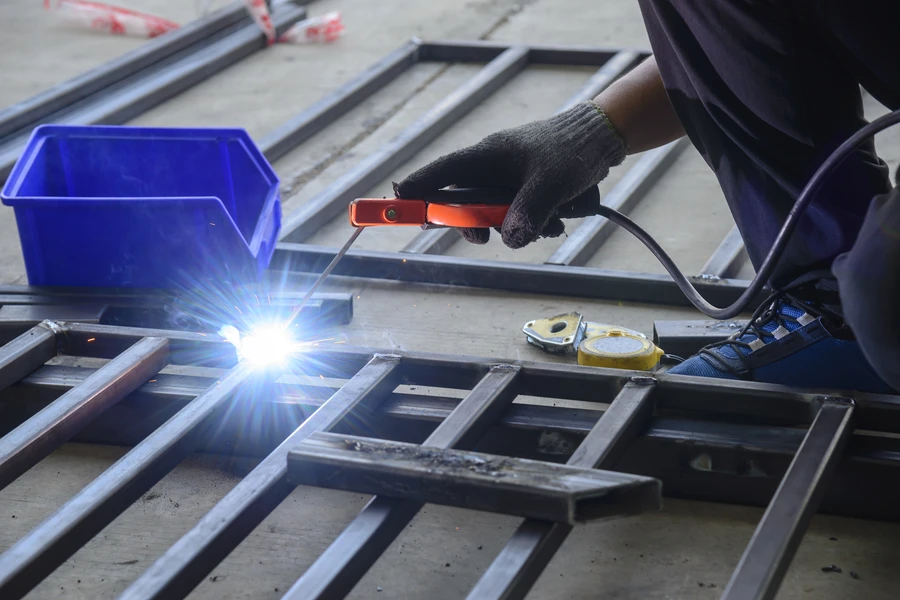
Before you hire anyone, it helps to know that not all welding certifications are the same. Some apply to certain materials like steel or aluminum. Others focus on specific methods such as MIG, TIG, or stick welding. There are also position-based tests, such as flat, vertical, or overhead welding.
Most certifications are issued by groups like the American Welding Society (AWS). These tests require welders to complete a weld that is then inspected and sometimes X-rayed. If it passes, they earn certification for that process and material.
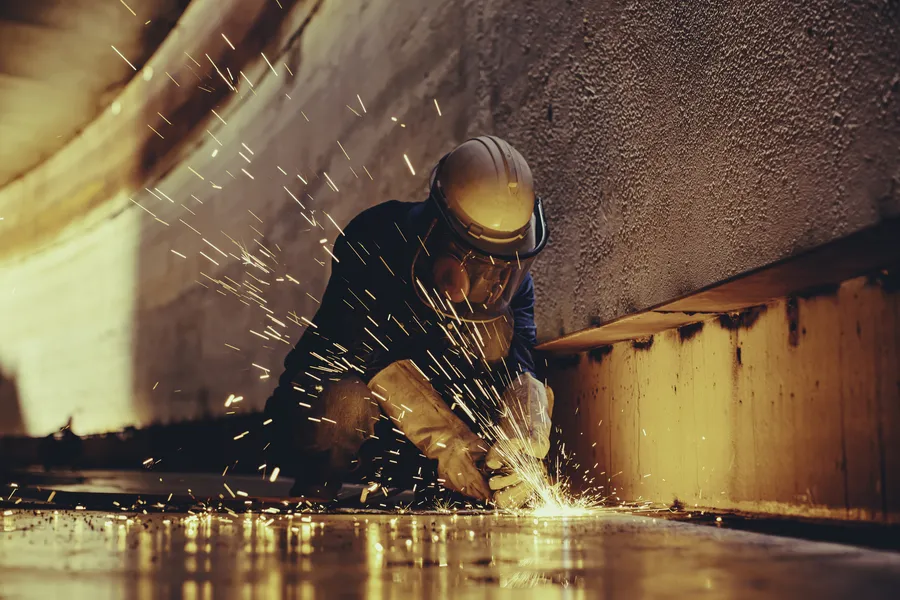
When reviewing welding services, ask which certifications the welder holds and whether they match your project needs.
How Welding Certification Works Step by Step
If you are curious how a welder becomes certified, here is a simple breakdown:
- The welder receives training through school or hands-on experience.
- They apply to take a certification test through an approved organization.
- They complete a weld test under set conditions.
- An inspector checks the weld for strength, shape, and defects.
- If the weld passes inspection, the certification is awarded.
- The welder must renew the certification over time to keep it active.
This process makes sure certified welders can repeat quality work more than once. It is not just about passing one test. They must keep their skills sharp.
Common Mistakes People Make About Certifications
Many people think any certified welder can handle every job. That is not true. Certification is often limited to:
- Specific welding methods
- Certain metal types
- Set thickness ranges
- Approved positions
Another mistake is assuming a business automatically checks all certification records. You should always ask. Reputable welding services will gladly show proof of current credentials.
Some also believe certification replaces experience. While credentials are valuable, hands-on work in real jobs is just as important.
When Certification Really Matters
For small home repairs, basic skill may be enough. But for structural steel, load-bearing beams, trailers, stair rails, or commercial projects, certification plays a bigger role.
City building codes often require certified welders for structural work. Insurance companies may also require proof. If a weld fails on a deck frame or metal support column, the damage can be serious. Proper credentials reduce that risk.
If your job involves public safety, heavy equipment, or anything that carries weight, always choose welding services with the right certification for that exact task.
How to Choose the Right Certified Welding Professional
Here are simple steps to guide your decision:
- List the type of metal and purpose of your project.
- Ask what welding method will be used.
- Request proof of certification for that method and material.
- Check that certifications are current.
- Ask about past projects similar to yours.
Doing this helps match the welder’s credentials to your needs. It also helps avoid delays or failed inspections.
Final Thoughts and Getting Expert Help
If you need welding services in Litchfield Park, AZ, certified professionals give you added peace of mind for both safety and quality. At RPSF, we take pride in keeping our team trained and properly credentialed for the work we perform. We are happy to explain our certifications, show documentation, and talk through your project so you feel confident before work begins. Call us at (623) 226-4681 to discuss your welding needs and learn how we can help.